
When it comes to transforming outdoor space planning and green-space development, people frequently compare landscape design vs landscape architecture to understand which approach best fits their project needs. Landscape designers mainly focus on visual appeal, plant selection, and smaller residential projects. In contrast, landscape architects handle large-scale developments such as public spaces, institutional campuses, environmental projects, urban parks, and water restoration work.
In today’s time, India’s landscaping services market is expected to grow at a strong CAGR of 6.8%, increasing the demand for skilled professionals in green-space design. This growth is much higher than the 3–4% job growth projected for landscape architects in the U.S. As Indian cities expand rapidly, sustainability and eco-friendly development are becoming key priorities.
While both professions aim to enhance our outdoor environments, their roles, education, licensing, and responsibilities differ. Understanding these differences helps students choose the right career path and enables clients to select the right professional for their specific project needs.
In this article, we will explore what landscape architects and landscape designers are, their goals, roles, clients, and career paths, and help you decide which option is best for you.
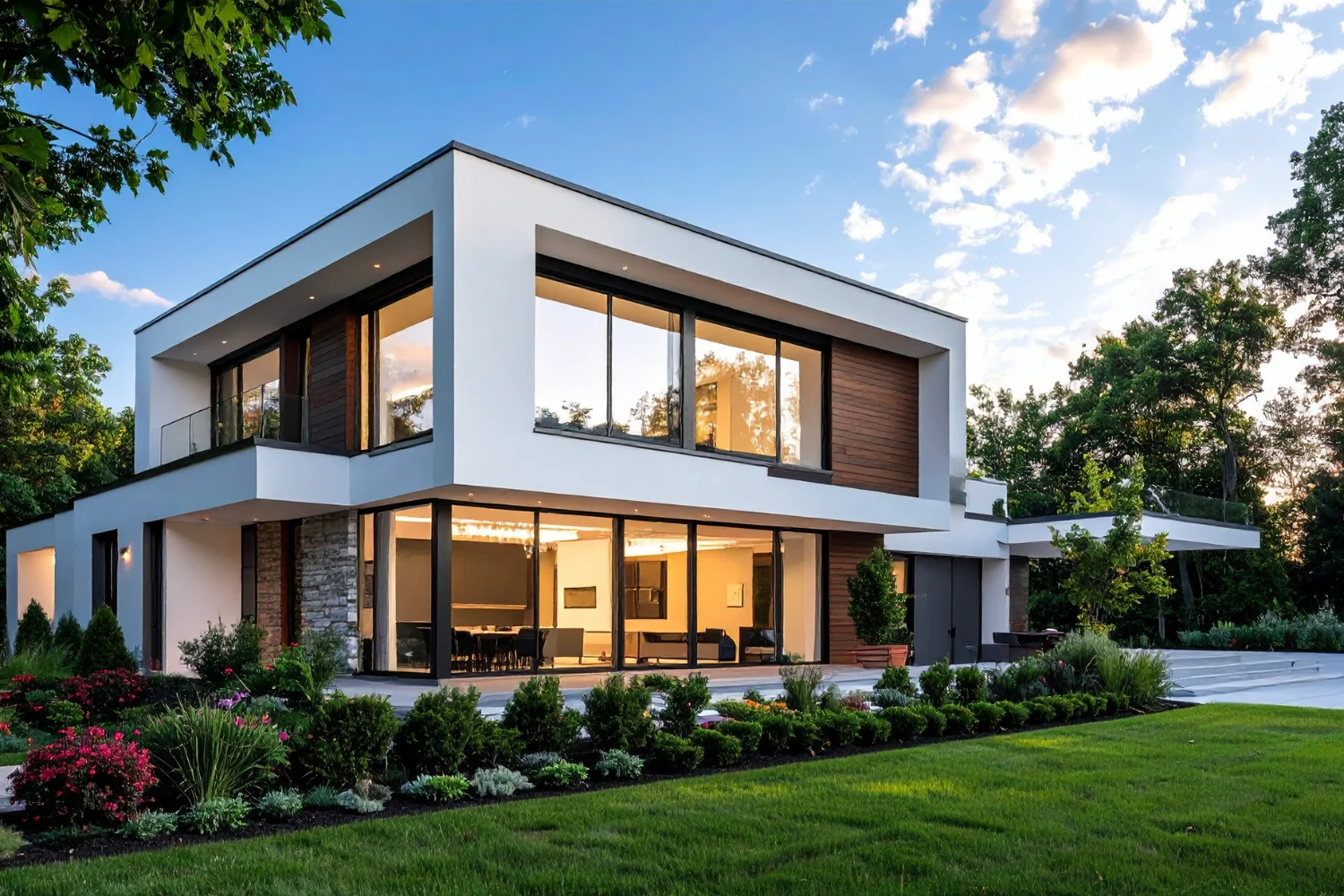
Landscape design focuses on arranging plants, water features, lighting, and outdoor structures to create stunning, beautiful, and evergreen. The primary goal is to enhance the appearance, feel, and usability of the area through thoughtful gardening and aesthetic planning.
Landscape designers specialize in the “human scale” of outdoor living. Their work focuses on transforming private residences and small-scale commercial spaces into functional art. They often use design software to produce both 2D and 3D designs for gardens, patios, and courtyards. Most professionals in this field hold an associate degree and usually do not require state licensing to work. They may work with design firms, landscaping companies, or as freelancers, offering a wide range of career options in landscape design.
Because of new landscape design software, these experts can show their ideas to clients in a way that helps them envision the finished result clearly. Most designers are artists who also have a lot of knowledge about gardening, eco-friendly concepts, and space organization.
Landscape design careers have fewer formal requirements, making it easier for people to enter the field. However, successful designers often stand out due to a strong portfolio and good client referrals. With a high demand for landscaping services, the industry provides many opportunities to grow, specialize, and focus on your career.
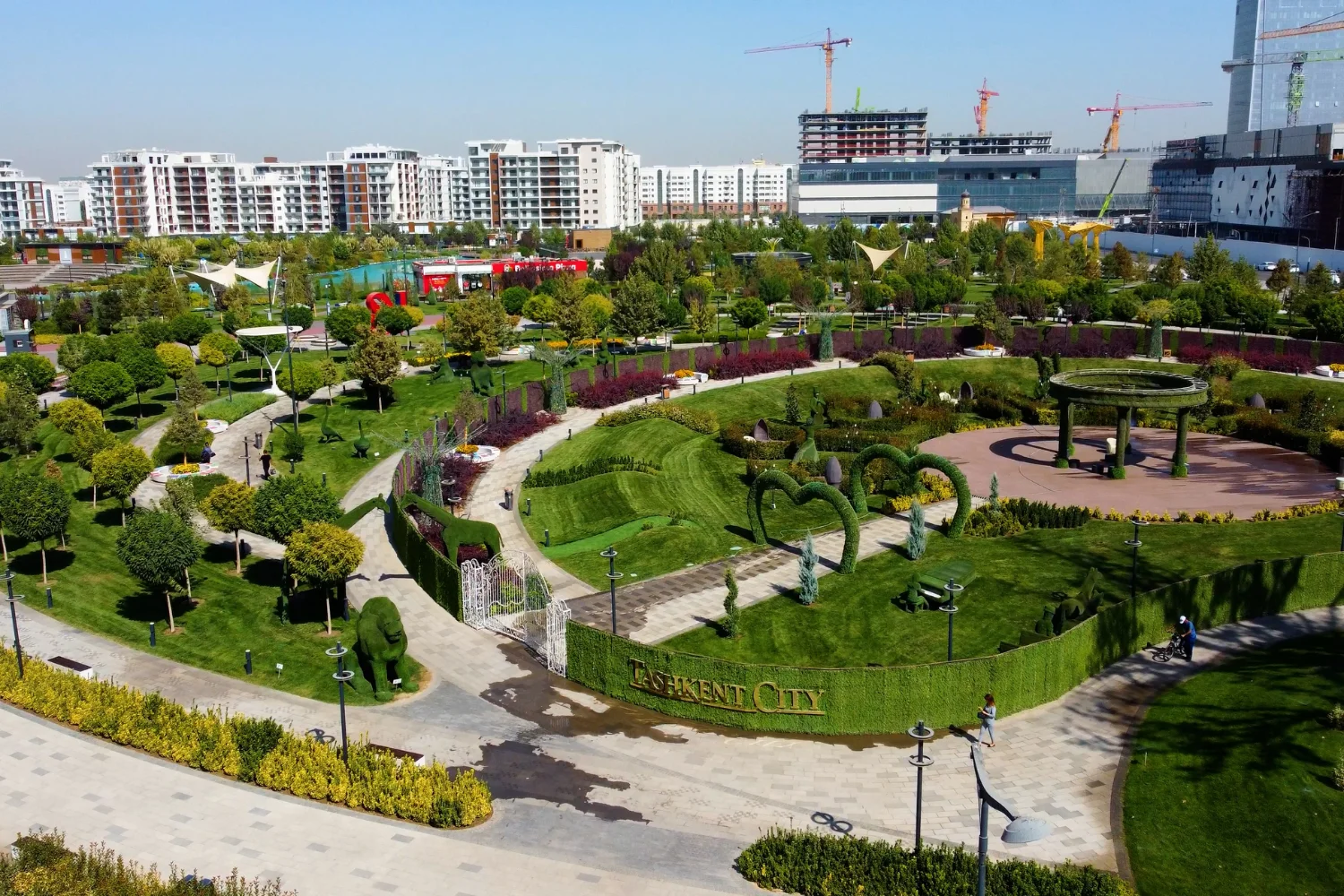
Landscape architecture is a multidisciplinary profession centred on the planning, design, and management of expansive outdoor environments primarily serving the public interest. This field extends far beyond simple aesthetics and focuses on complex systems such as urban plazas, city parks, institutional campuses, and essential green infrastructure. By combining environmental science with structural engineering, landscape architects lead large-scale restoration and urban development projects that prioritize ecological health, public safety, and community accessibility.
To become a landscape architect, you need to earn a degree from an accredited program. After that, you must complete an internship and pass the Landscape Architect Registration Examination (LARE). This is a licensed and regulated profession in most areas.
A career in landscape architecture typically starts with internships or entry-level positions at architecture firms or government offices. As time goes on, professionals may transition into senior design roles, project management, or urban planning. Jobs in landscape architecture involve both creativity and technical skills, combining science and design to enhance the quality of life for communities.
Landscape architects often work alongside teams that include architects, civil engineers, and environmental scientists. Their work greatly impacts urban ecosystems. It also improves environmental health and helps communities withstand climate change. For this reason, the landscape architecture profession is closely linked to science and policy. It demands a combination of creativity, technical skills, and environmental responsibility.
| Criteria | Landscape Design | Landscape Architecture |
|---|---|---|
| Project Scale & Complexity | Small residential projects and light commercial spaces | Large public projects, urban spaces, and environmental developments |
| Educational Requirements | Certificate, diploma, or bachelor’s degree (not mandatory) | Bachelor’s or master’s degree in Landscape Architecture required |
| Licensing | No mandatory license required in India | Professional registration preferred (Council of Architecture) |
| Typical Clients | Homeowners, villas, farmhouses, small businesses | Government bodies, real estate developers, large institutions |
| Project Goals | Aesthetics, gardening, comfort, and usability | Urban planning, sustainability, environmental impact |
| Software Tools Used | SketchUp, Realtime Landscaping, Lumion | AutoCAD, Rhino, GIS, Civil 3D |
| Career Growth | Freelance work and entry-level roles | Structured growth in firms or government departments |
| Career Scope | Mainly design-focused roles | Planning, restoration, research, and policy roles |
| Job Titles | Landscape Designer, Garden Designer | Landscape Architect, Urban Planner, Environmental Consultant |
| Career Nature | Creative and flexible with lower entry barriers | Regulated and technical profession with higher responsibility |
| Project Types | Gardens, lawns, rooftops, patios | Parks, townships, urban renewal projects, campuses |
| Salary Trends (India) | ₹2.5–6 LPA (entry to mid) | ₹4–12 LPA (entry to senior; can be higher in firms/government) |
| Common Industries | Residential landscaping, nurseries, design studios | Government projects, architecture firms, urban consultancies |
Both landscape design and landscape architecture offer unique ways to improve outdoor environments, but they serve different needs and project scales. If you enjoy designing gardens, patios, and smaller outdoor spaces and prefer working closely with residential clients, landscape design may suit your creative style. It allows you to explore textures, colours, and plant combinations to bring spaces to life, often without the need for licensing or strict regulatory requirements.
Whether you are drawn to large-scale landscape architecture projects that shape cityscapes or detailed landscape design work for private homes, both careers offer rewarding opportunities in a growing industry. Bagwani Nursery supports both approaches by providing high-quality plants, expert landscaping services, and end-to-end green solutions for homes, commercial spaces, and large projects across India. With professional guidance, modern design tools, and a strong focus on sustainability, Bagwani Nursery helps turn every outdoor vision into a thriving, beautiful landscape.
Table of Contents
ToggleBagwani Nursery- The leading wholesale plant supplier in India, nestles in the heart of Saharanpur, Uttar Pradesh. We stand as a distinguished name in the realm of horticulture and landscaping expertise. At the end of the day, our goal is to be the best service provider in our industry and to make a positive impact on the lives of our clients.